
How to organize your pet’s medication record
Use an administration and verification log to reduce missed or duplicate doses without changing veterinary instructions.
In this article5 topics
The reader can build a record faithful to the prescription, confirm each administration, and recognize when to stop and ask the responsible professional.
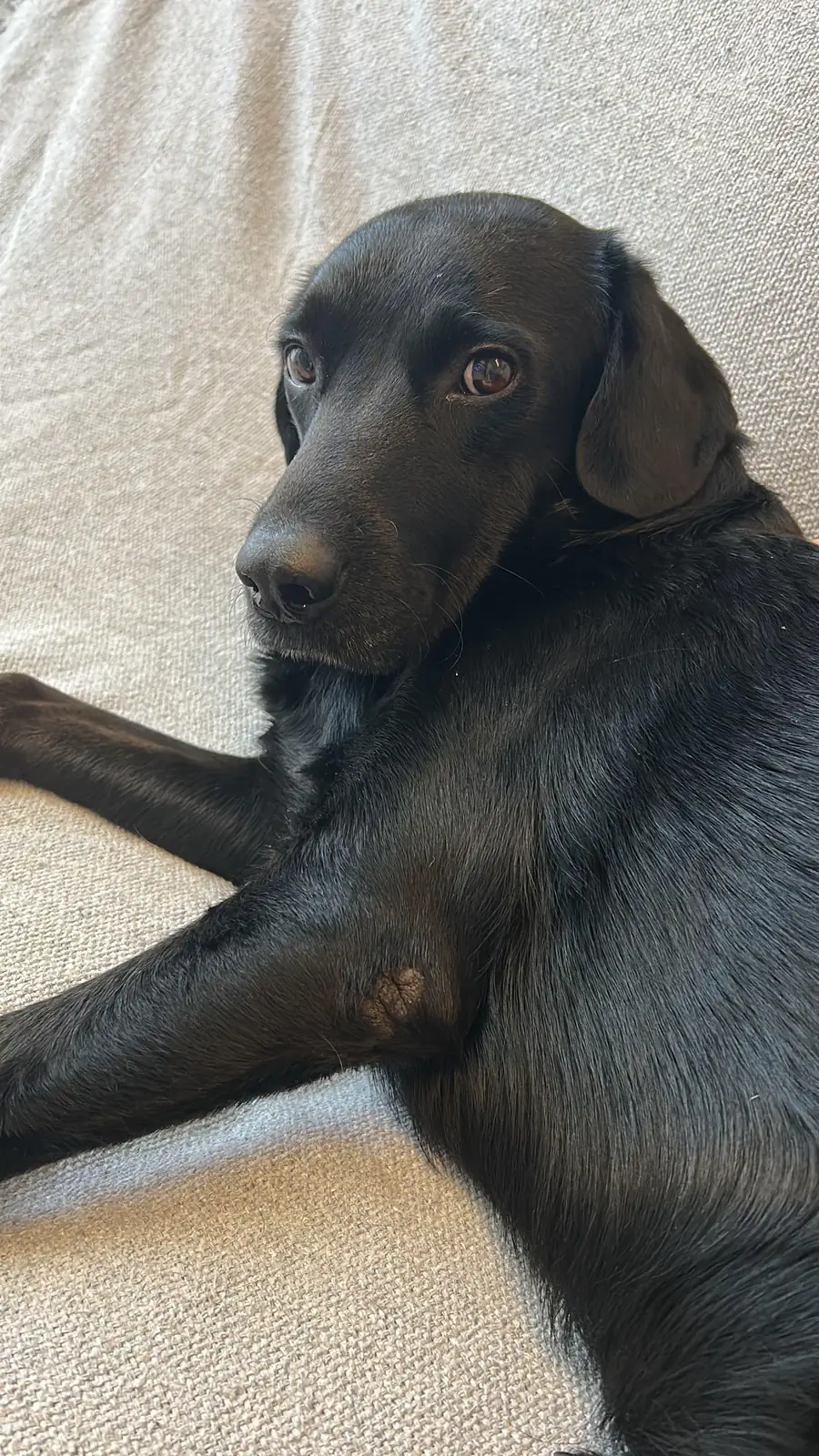
A reminder can ring while nobody knows whether another person already gave the medication. That is a record problem, not only a memory problem. Keep one source of truth: preserve the original instructions, transcribe them without interpretation, and confirm each administration immediately.
This content is informational and does not replace veterinary advice.
The FDA warns that medication errors also happen to pets. Confusing labels, incomplete communication, and inappropriate use of human medication are among the risks.
Keep instructions separate from events
| Instruction record | Administration event |
|---|---|
| exact medication name from the original document | date and actual time |
| dose exactly as documented | caregiver who confirmed it |
| prescribed route and interval | status: given, not given, or needs confirmation |
| professional contact and document image | note about a problem that must be reported |
Do not rewrite an unclear instruction in your own words. Mark the field as uncertain and contact the clinic.
Double-check workflow
- One caregiver reads the original label or prescription.
- The correct pet is identified before preparing anything.
- The event is recorded only after administration is confirmed.
- A second caregiver checks the shared log before acting.
- Any doubt, delay, vomiting, reaction, or discrepancy stops the routine and returns to the responsible professional.
The FDA page on veterinary medication errors shows why labels and communication require precision. A home organizer must not add a dose, interval, duration, or compensation rule that is absent from the original guidance.
Handoff template
- Pet:
- Original instruction location:
- Last confirmed administration:
- Next reminder to check:
- Responsible caregiver now:
- Open question for the clinic:
The Poison Control overview highlights risks involving pets and medication, including human products. If accidental ingestion or poisoning is suspected, seek appropriate help rather than waiting for the next reminder.
Handoff: verify the record
Fictional exercise without a prescription: the incoming caregiver finds “last administration” blank. This means missing information, not a missed dose. Check with the previous caregiver and, when needed, the clinic before acting. Preserve the original instruction and record only confirmed events. This exercise has not been tested with caregivers and does not prove fewer errors.
Sources
Editorial transparencyHow this content was produced
Operational organization based on FDA and Poison Control safety alerts; the article does not interpret a prescription, provide a dose, or advise compensating for a mistake.
Evidence basis: editorial synthesis of disclosed sources
Original contribution: A household double-check workflow, an event-based administration table, and a handoff model for multiple caregivers.
Expected outcome: The reader can build a record faithful to the prescription, confirm each administration, and recognize when to stop and ask the responsible professional.
Limitations: There was no veterinary review or analysis of a prescription; the method does not change the medication, dose, schedule, or action after a missed dose.
Internal editorial review: Codex (AI) — automated check; no human review in this update, 2026-09-06. This review is not a veterinary review.
Content limitation: there was no veterinary review. The article is limited to routine organization and does not provide diagnosis, prescriptions, dosages, or clinical protocols.
AI tools supported research, structure, and drafting. The project owner selects the sources, defines the limits, and decides what is published. Learn more on the author page.
Keep exploring
Related content
10 dog profiles to research before choosing
Use a routine matrix to research ten dog profiles without assuming that breed or size guarantees adaptation to a home.
Read article
Is your dog destroying things? A seven-day enrichment plan
Observe patterns, protect the environment, and test an enrichment routine for seven days without treating destruction as spite.
Read article
How to organize your dog's vaccination records
Organize certificates, history, and upcoming vaccination dates without turning a record into clinical advice.
Read article