
How to organize your dog's vaccination records
Organize certificates, history, and upcoming vaccination dates without turning a record into clinical advice.
In this article5 topics
The reader can check the record, digitize certificates, separate history from planning, and prepare objective questions for the veterinarian.
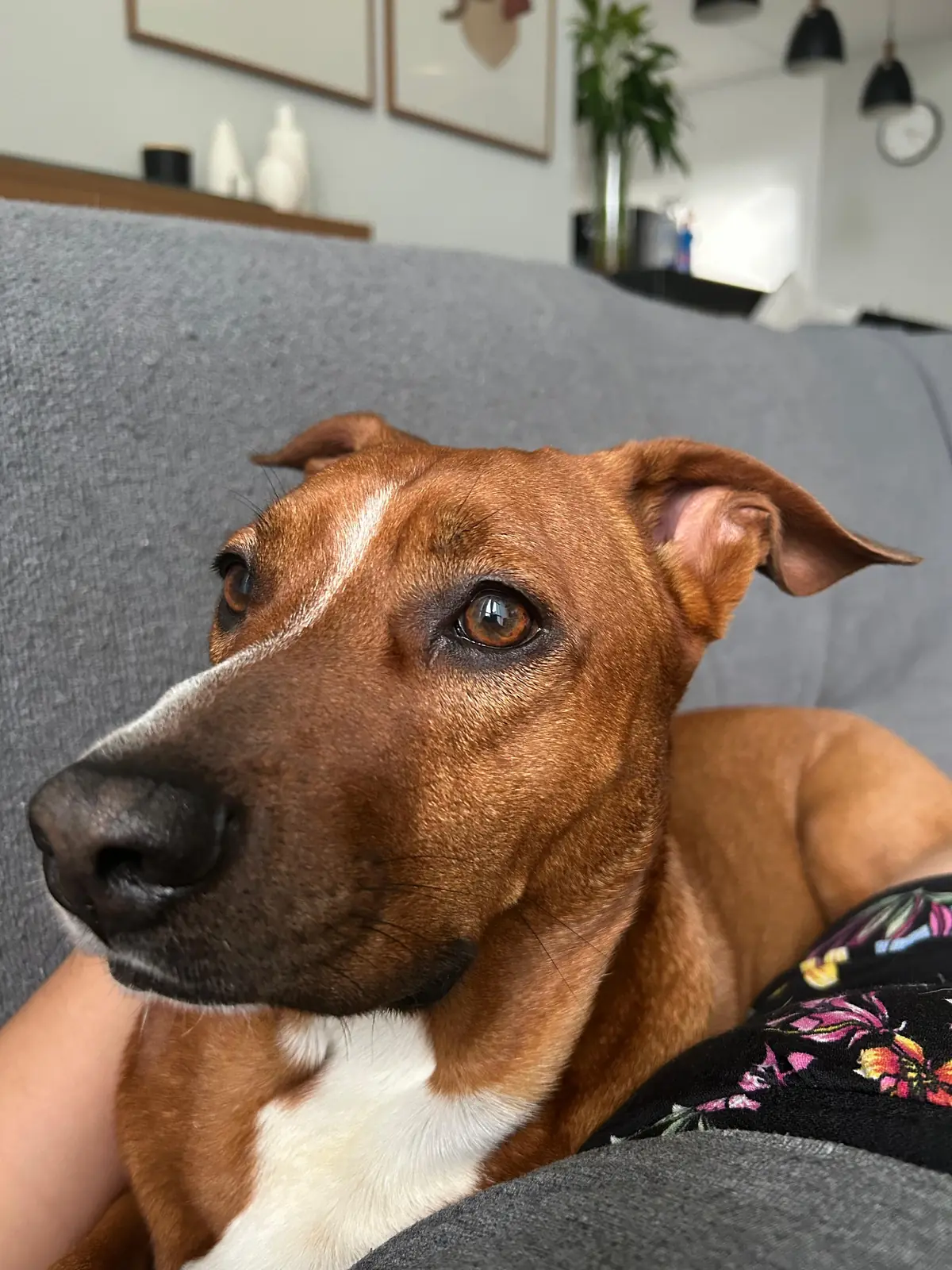
A vaccination record must answer two different questions: what has already been documented, and what the clinic advised you to do next. Mixing history with reminders creates confusion. A photo of a certificate preserves evidence; a date in a calendar only marks something that still needs confirmation.
Use the free pet care sheet to gather contacts and instructions you have already received. Keep the original document issued by the clinic separately.
This content is informational and does not replace veterinary advice.
Build three separate layers
| Layer | What belongs there | What it proves |
|---|---|---|
| Original evidence | signed record, label, certificate, invoice | what was documented by the provider |
| Transcribed history | date, name exactly as written, clinic, attachment | a searchable summary of the evidence |
| Next action | reminder to contact or revisit the clinic | only that something must be confirmed |
Never fill a blank by guessing. If a product name, date, batch, or signature is unreadable, mark it as “needs confirmation” and preserve the image.
A five-step workflow
- Gather every paper card, certificate, email, and clinic message.
- Photograph each document in good light, including the full page and any label.
- Name the file with the pet, documented date, and document type, such as
luna-2026-05-12-vaccine-certificate.jpg. - Transcribe only what is clearly visible and link the record to the image.
- Record the clinic’s next instruction as a reminder to confirm, not as a schedule created by you.
The AVMA overview for pet owners explains that vaccination decisions depend on the animal, exposure, and professional assessment. The AAHA canine vaccination guidelines are clinical guidance, not a universal home calendar.
Questions to take to the appointment
- Which entries in this record are complete, and which need another document?
- Does a lifestyle change affect what should be discussed?
- Which date is a confirmed appointment and which is only a reminder?
- What document should be kept for travel, boarding, or daycare?
Changes such as travel, boarding, frequent contact with other animals, or moving to another region can matter. The AVMA vaccination principles reinforce that decisions should consider individual risks and benefits.
A document check, not a clinical schedule
Fictional example: a photo shows the vaccine name but the date is unreadable. Write “date to confirm” in the transcription and attach the photo. Ask the clinic for a replacement certificate instead of calculating the next administration. The free care sheet organizes contacts and existing instructions; it does not replace the professional certificate.
Sources
Editorial transparencyHow this content was produced
The article synthesizes veterinary guidance only for document organization; it does not create a vaccination schedule or an individual protocol.
Evidence basis: editorial synthesis of disclosed sources
Original contribution: A copyable record template, a file-naming convention, and a three-layer audit covering the document, the history, and the next action.
Expected outcome: The reader can check the record, digitize certificates, separate history from planning, and prepare objective questions for the veterinarian.
Limitations: This material was not reviewed by a veterinarian and does not define vaccines, schedules, intervals, or clinical decisions; it organizes documents and questions for the clinic.
Internal editorial review: Codex (AI) — automated check; no human review in this update, 2026-09-06. This review is not a veterinary review.
Content limitation: there was no veterinary review. The article is limited to routine organization and does not provide diagnosis, prescriptions, dosages, or clinical protocols.
AI tools supported research, structure, and drafting. The project owner selects the sources, defines the limits, and decides what is published. Learn more on the author page.
Keep exploring
Related content
How to remember deworming, flea, and tick care
Keep a parasite-control history for each pet without copying another animal's product, frequency, or plan.
Read article
10 dog profiles to research before choosing
Use a routine matrix to research ten dog profiles without assuming that breed or size guarantees adaptation to a home.
Read article
Is your dog destroying things? A seven-day enrichment plan
Observe patterns, protect the environment, and test an enrichment routine for seven days without treating destruction as spite.
Read article