
How to remember deworming, flea, and tick care
Keep a parasite-control history for each pet without copying another animal's product, frequency, or plan.
In this article5 topics
The reader can keep an individual history, distinguish a record from veterinary guidance, and prepare an objective review with the clinic.
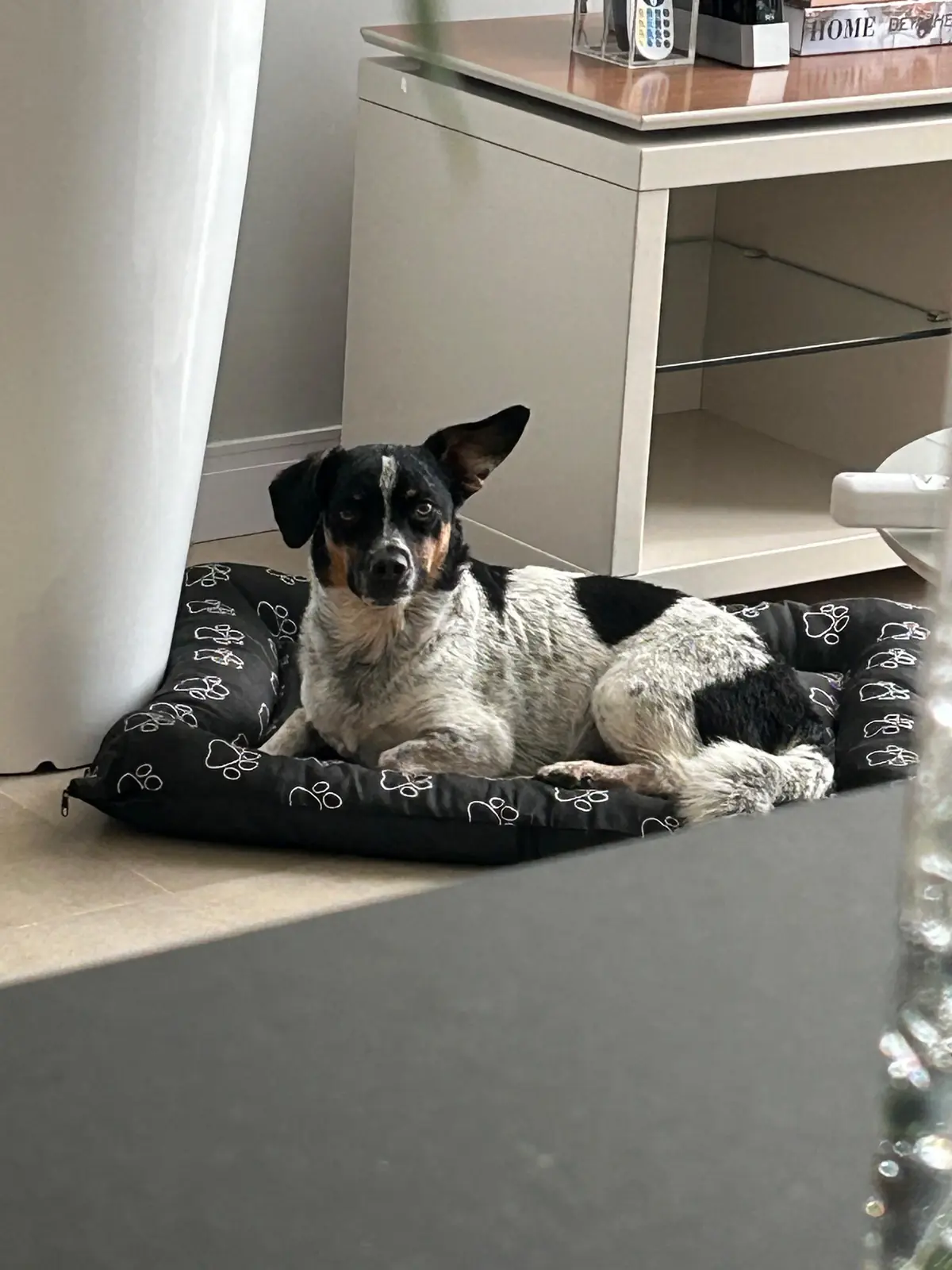
“I gave it recently” is not a sufficient record. With several pets or several kinds of parasite control, it is easy to confuse the product, date, and purpose. A history says what happened; a reminder says only what must be checked next.
This content is informational and does not replace veterinary advice.
Record an event, not a home protocol
| Field | Record | Do not infer |
|---|---|---|
| Pet | individual name and species | that another pet has the same plan |
| Product | name exactly as documented | ingredient, coverage, or suitability |
| Event date | confirmed administration date | a future interval |
| Evidence | label, prescription, invoice, or clinic message | missing instructions |
| Next action | date to confirm with the clinic | automatic repetition |
The CAPC general guidelines discuss parasite-control decisions in a broader clinical and environmental context. They do not turn a household record into a universal schedule.
A safe reminder workflow
- Preserve the original package, prescription, or professional message.
- Record the event for the correct pet immediately after confirmation.
- Mark unknown information as “needs confirmation.”
- Create a reminder to review the case, not an instruction to administer.
- Recheck species, weight, health, environment, and professional guidance before any future action.
Everyday labels can make products appear interchangeable. In practice, coverage and duration depend on formulation and individual guidance. CAPC maintains separate resources for fleas and ticks, showing why a vague label such as “parasite medicine” is not enough.
When the record should stop the routine
- the product or date cannot be confirmed;
- the pet’s weight, age, or health has changed;
- there was a possible reaction or accidental ingestion;
- several products may overlap;
- a different species lives in the same home;
- infestation or clinical signs are present.
In these cases, contact the responsible clinic. Puppies, senior pets, pregnant animals, animals with chronic conditions, and multi-species households need individual attention.
A reminder that requests confirmation
Fictional reminder wording: “Check this pet’s documented instructions with the clinic; document in the care folder”. If the last event date is missing, record “unconfirmed”. A reminder proves neither administration nor permission to repeat a product. Keep the history and the pending question separate.
Sources
Editorial transparencyHow this content was produced
The article turns CAPC guidance into documentation practices; it does not choose products, intervals, combinations, or coverage.
Evidence basis: editorial synthesis of disclosed sources
Original contribution: An event-based record, an information-status table, and a context review that prevents a reminder from becoming an automatic repeat instruction.
Expected outcome: The reader can keep an individual history, distinguish a record from veterinary guidance, and prepare an objective review with the clinic.
Limitations: There was no veterinary review or individual assessment; this article does not choose a product, frequency, combination, dose, or parasite coverage.
Internal editorial review: Codex (AI) — automated check; no human review in this update, 2026-09-06. This review is not a veterinary review.
Content limitation: there was no veterinary review. The article is limited to routine organization and does not provide diagnosis, prescriptions, dosages, or clinical protocols.
AI tools supported research, structure, and drafting. The project owner selects the sources, defines the limits, and decides what is published. Learn more on the author page.
Keep exploring
Related content
How to organize your dog's vaccination records
Organize certificates, history, and upcoming vaccination dates without turning a record into clinical advice.
Read article
10 dog profiles to research before choosing
Use a routine matrix to research ten dog profiles without assuming that breed or size guarantees adaptation to a home.
Read article
Is your dog destroying things? A seven-day enrichment plan
Observe patterns, protect the environment, and test an enrichment routine for seven days without treating destruction as spite.
Read article