
New dog starter kit: what to buy first
Build an arrival kit by priority, measure before buying, and postpone items that depend on the dog's behavior.
In this article6 topics
The reader can separate essentials from optional purchases, collect measurements, and prepare the home, transport, and first appointment.

A starter kit should solve the first day, not predict every product the dog may use later. Age, size, chewing style, walking routine, and adaptation become clearer through reliable background information and observation.
Use the free pet arrival checklist to track safety, documents, contacts, and essential supplies.
Priority 1: safe arrival
- secure transport suited to the dog’s measured size;
- water and a stable, washable bowl;
- the food already used during transition, when known;
- a defined resting area;
- collar or harness and identification appropriate to the dog;
- clinic contact and the first appointment plan;
- barriers for stairs, wires, chemicals, trash, and escape routes.
The PetMD puppy checklist offers a broad supply reference. Use it as an inventory of possibilities, not as a mandatory shopping cart.
Priority 2: measure before choosing
| Item | Measure or observe | Confirm before buying |
|---|---|---|
| Bed | space occupied while fully stretched | useful inner area and washability |
| Harness | neck and chest according to the manufacturer | adjustment range and return policy |
| Carrier or crate | standing, turning, and lying dimensions | ventilation, closures, and vehicle fit |
| Bowls | meal size and muzzle access | stable base and easy cleaning |
Write measurements down. “Small,” “medium,” and “large” are seller labels, not universal dimensions.
Priority 3: wait for observation
Postpone large quantities of toys, specialized feeders, clothing, premium beds, or grooming accessories until you understand how the dog interacts with materials and how often each item can be maintained.
Use this three-question maintenance test:
- Can every part that touches food, water, saliva, or dirt be cleaned?
- Can you inspect seams, fasteners, and worn pieces before they become hazardous?
- Is the replacement cost compatible with the expected lifespan?
The AVMA guide to selecting a dog emphasizes the long-term commitment of time, housing, exercise, care, and cost. The same principle applies to the kit: buy for the actual dog and routine, not for an idealized image.
Decision before paying
- Is the function already covered by something intact at home?
- Have useful dimensions and the exact variant been confirmed?
- Do purchase, shipping, and replacement costs fit without displacing essentials?
- Can purchases that depend on observation wait?
Three choices for a limited budget
Plan the dog kit by function; the selected examples do not form a complete kit.
| Constraint | Protect first | Can wait |
|---|---|---|
| Limited initial cash | safe transport, water, suitable food, hygiene and containment | decorative finishes and duplicates |
| Limited space | accessible resources with verified dimensions | furniture without an assigned place |
| Limited maintenance time | parts you can clean and replace | mechanisms you cannot maintain |
Record item price, shipping, consumables, and quote date separately. This guide has no researched price basket. Reuse only intact, suitable items; do not compromise containment or hygiene to meet an arbitrary total.
Sources
Editorial transparencyHow this content was produced
Basic supplies were evaluated against safety, fit, cleaning, and replacement cost; the guide does not identify any brand or offer as the best choice.
Evidence basis: editorial synthesis of disclosed sources
Original contribution: A three-priority checklist, a measurement sheet, a maintenance test, and criteria applied without producing a product ranking.
Expected outcome: The reader can separate essentials from optional purchases, collect measurements, and prepare the home, transport, and first appointment.
Limitations: Zelavi did not purchase or test the products; the guide provides general criteria and cannot guarantee fit, durability, or acceptance by a particular dog.
Internal editorial review: Codex (AI) — automated check; no human review in this update, 2026-09-06. This review is not a veterinary review.
AI tools supported research, structure, and drafting. The project owner selects the sources, defines the limits, and decides what is published. Learn more on the author page.
Keep exploring
Related content
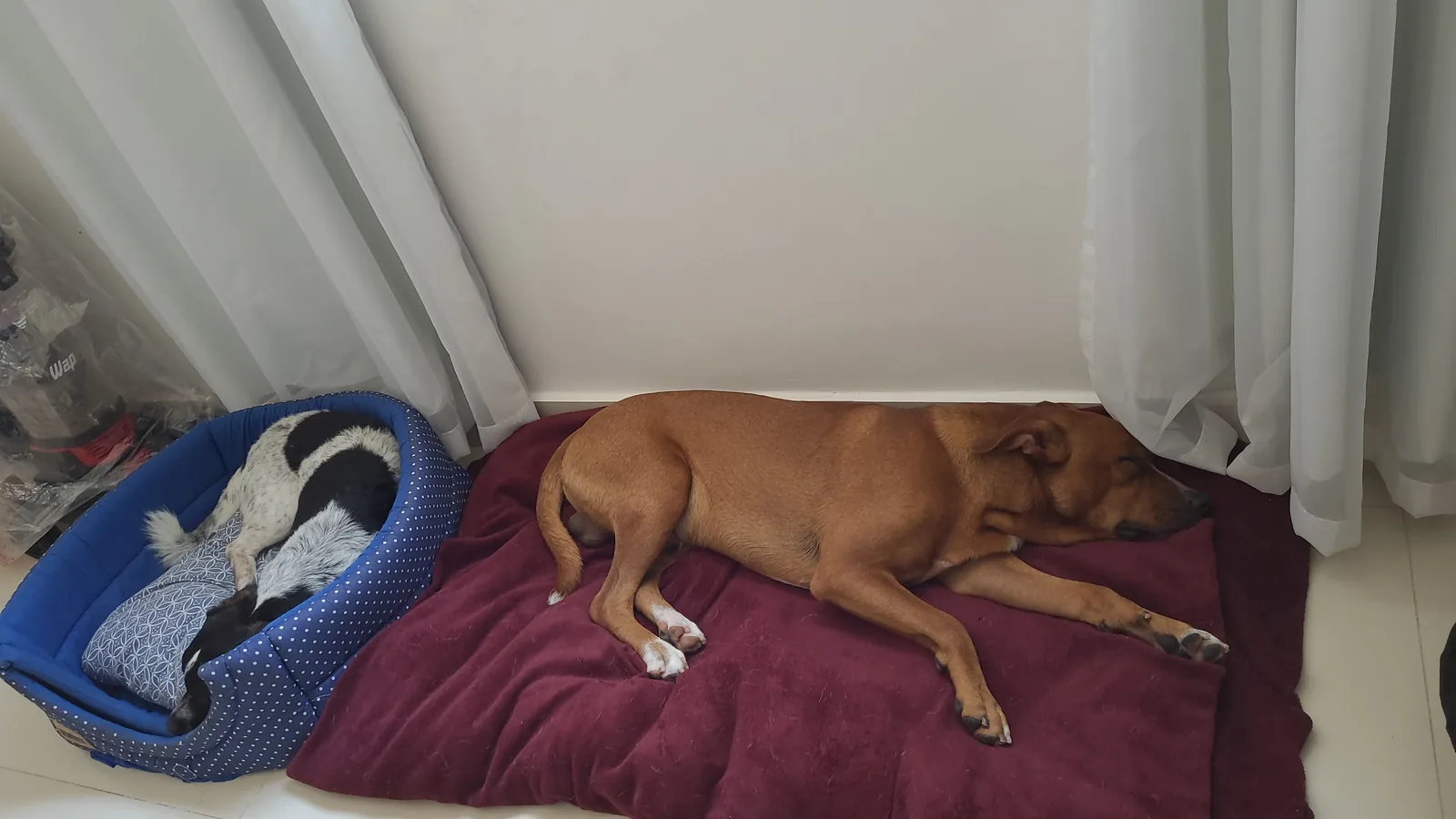
How to choose a dog bed: size, shape, and cleaning
Observe how your dog sleeps, record the occupied dimensions, and compare access, washing, and useful space before choosing a bed.
Read articleNew cat starter kit: essential items
Prepare separate resources for feeding, elimination, rest, scratching, and transport before the cat arrives.
Read article
10 dog profiles to research before choosing
Use a routine matrix to research ten dog profiles without assuming that breed or size guarantees adaptation to a home.
Read article